

Driving during the Autumn, Winter and Spring means you are often having to deal with the sun rising and setting at peak commuting times. This increases the danger by blinding drivers on roads which may already be more hazardous due to weather conditions. Some research has shown that bright sunlight can increase the risk of a life-threatening crash by 16% (NCBI)
With this in mind here are our top tips to ensure you are ready to deal with the low sun and brighter winter conditions.

Buy some sunglasses
We’re all familiar with wearing sunglasses by the pool in the summer but wearing sunglasses in your car can make a big difference helping your eyes see through the glare of the bright low winter sun. Make sure you don’t just use the sunglasses that you’ve been using in the summer, you must be sure they are from a trusted retailer. If you wear glasses normally then your optician can even make some prescription sunglasses and include polarised lenses especially for driving.
Use your visor
Using your visor in the car can help shield your eyes from the direct sunlight but it doesn’t just need to be used on the front, if youre being blinded by sun from your right side you could unclip it from the centre and pull it across the right side of your car too.
Clean your windscreen
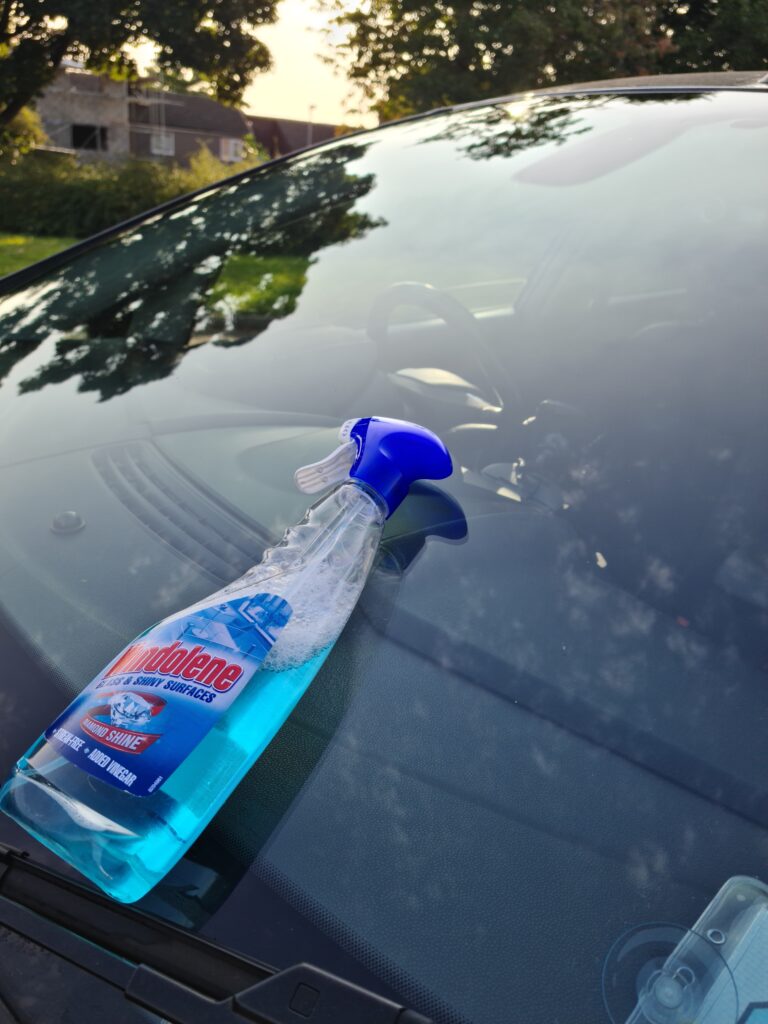
A dirty windscreen can scatter the bright sunlight and make it even worse. So before you head out on a car journey ensure your windscreen is clean inside and out. Don’t use your hands to demist the screen as this will leave a greasy film on the window which again can scatter the light, instead use the cars heater, fans and heating elements directed to the windscreen and wait a few moments for it to clear. We keep a kitchen roll and glass cleaner in the boot so the windscreen is always kept clean. Ensure you keep your screen wash topped up too especially as in the winter months you’re likely to be getting a lot more mud and debris splashed up.
Slow down and increase your distance
Even with all of the above, it can still be difficult to see. In this case consider slowing your speed and leave double the room between yourself and the car in front as they may not spot something ahead and brake hardly, that extra distance you give them will give you more time to react. If the sun is so bad that you are unable to see then your best option may be to pull over in a safe place for a short while until the sun moves out of your line of sight.